

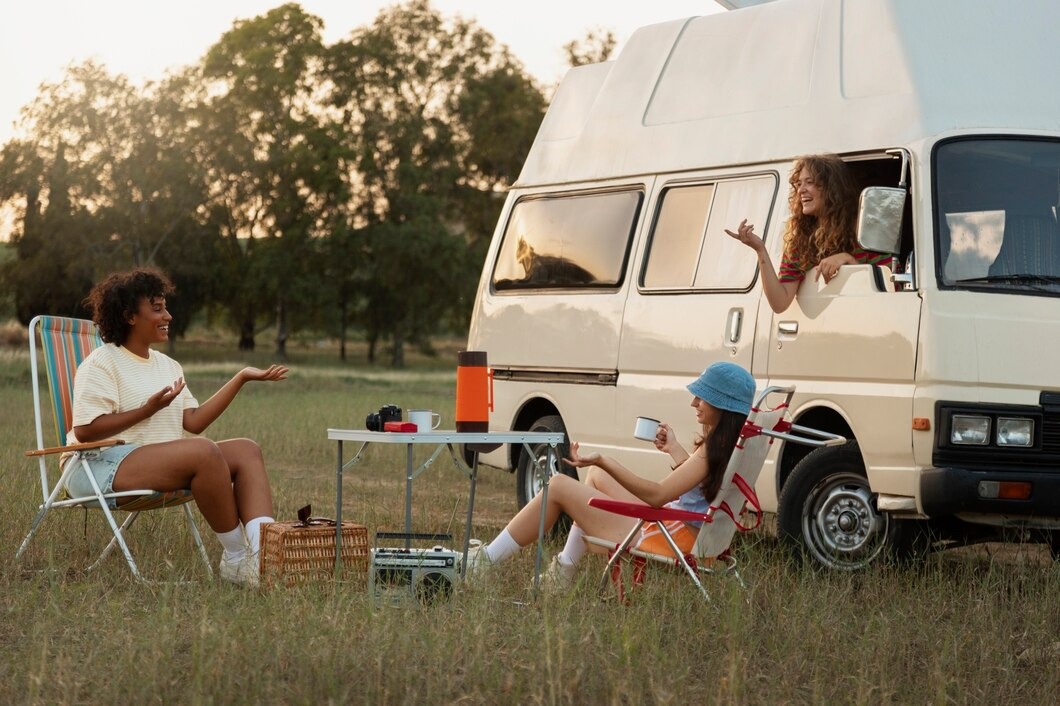
The Rise of Eco-Friendly Caravanning
Caravanning has long been a symbol of British freedom open roads, sea views, and weekends spent under the sky. But a quiet transformation is underway.
Travellers are rethinking how they move, camp, and consume not just for comfort, but for conscience. Rising fuel costs, better tech, and growing environmental awareness are driving a new kind of touring: eco-friendly caravanning.
According to CBRE, 26% of UK holidaymakers now choose parks and stays with lower environmental impact, proving that sustainable travel is no longer niche, it’s becoming the new normal. From hybrid towing vehicles to solar-powered trailers, eco-friendly caravanning is shaping a cleaner, quieter future for road travel.
Let’s explore how eco-friendly caravanning is changing travel in the UK and why it’s becoming a popular way to explore responsibly.
Why Eco-Friendly Caravanning is Growing
Sustainable caravanning is not just a passing trend. It shows a larger shift among UK holidaymakers towards exploring the country while being kinder to the environment.
A recent study found that individuals in Britain made 105.6 million overnight trips within Great Britain. They stayed a total of 308 million nights and spent £32.9 billion. The strong interest in domestic travel highlights the need to protect the natural landscapes and local communities that make these trips possible.
For many individuals, it’s not just about saving money on fuel. They also take pride in being eco-friendly. Choosing a sustainable caravan can reduce emissions, cut down on waste, and still provide the comfort and appeal of caravan life.
Smarter Caravans and Greener Tech
Technology is driving a major shift in caravanning. Modern caravans are smarter, lighter, and more energy-efficient than ever.
- Solar panels and lithium batteries are popular upgrades, allowing campers to live off-grid while keeping their devices charged.
- Lightweight materials like aluminium and recycled composites help reduce drag and fuel use, which is good for the environment and saves money.
- Electric and hybrid towing vehicles are becoming more practical, with better range and more charging stations available across the UK.
- Smart control systems let users monitor energy use, adjust lighting, and manage appliances easily, reducing wasted energy.
These advances make it easier to travel long distances with less environmental impact.
Sustainable Habits on the Road
Technology can help, but travellers also play a major role in sustainability. To practice sustainable caravanning, make thoughtful decisions that become habits over time.
In 2026, 59% of UK holiday parks with more than 250 pitches now offer electric vehicle charging stations. This shows how the industry is changing to support low-carbon travel, helping caravanners select environmentally friendly options.
- Choose eco-friendly campsites that utilise renewable energy and manage waste well.
- Bring reusable water bottles and utensils to avoid single-use plastics.
- Support local farm shops, bakeries, and eco-stores instead of big supermarkets. This reduces food miles and helps small businesses.
- Be mindful of water use; take short showers, limit dishwashing, and reuse greywater to make a difference.
Every small decision adds up. A sustainable journey doesn’t mean giving up comfort; it means being aware of your impact on the environment.
How Manufacturers Are Responding
Caravan manufacturers have actually noticed a change in consumer attitudes, and they are responding with real innovation. UK manufacturers are reassessing how they build caravans, focusing on sustainability and durability.
Many models now use recycled plastics, bamboo interiors, and natural fibres instead of traditional materials. Improved insulation and solar panels help reduce heating and even electricity requirements.
Some brands work with environmental groups to offset their emissions from production or to source materials locally.
The result? Caravans that are stylish, comfortable, and environmentally friendly.
Choosing the Right Eco Caravan for You
Finding the right eco caravan is about more than style or price it is about aligning comfort with conscience. The most sustainable models make every mile count, blending smart engineering with responsible design.
Here’s what to consider before you buy:
- Weight Efficiency: Lighter builds reduce drag and fuel use, helping you travel further with fewer emissions.
- Energy Systems: Look for solar compatibility, LED lighting, and low-consumption heating that lets you stay off-grid without sacrificing comfort.
- Sustainable Materials: Choose interiors made from recycled plastics, bamboo, or other repurposed materials for a smaller environmental footprint.
- Smart Design: Clever layouts and storage solutions can minimise clutter, conserve energy, and make life on the road simpler.
If you are looking to buy an eco-friendly caravan, campervan, or motorhome, check out Find My Leisure Vehicle a complete directory of motorhomes, campervans, and caravans available across the UK for travellers who want to explore more sustainably.
The Future of Eco Travel in the UK
The rise of eco-caravanning matches with the UK’s focus on sustainable tourism. With better infrastructure and growing awareness, green travel will soon become common rather than a niche option.
Electric campers, solar-powered trailers, and eco-friendly campsites are being tested in and around Europe. In the UK, places like the Lake District, Cornwall, and the Scottish Highlands are launching sustainable tourism programs to motivate travellers to explore responsibly.
This is an exciting time for caravan lovers. The open road is becoming cleaner, quieter, and more respectful of the beautiful places we enjoy.
Conclusion
The rise of eco-friendly caravanning reflects more than a travel trend it signals a cultural shift in how we experience freedom and responsibility.
As sustainable materials, low-emission vehicles, and smarter campsite infrastructure become the norm, green touring will move from novelty to necessity. It shows that adventure and accountability can share the same road.
So the next time you set off, let your journey reflect more than your destination let it show your care for the planet, one mindful choice at a time.


